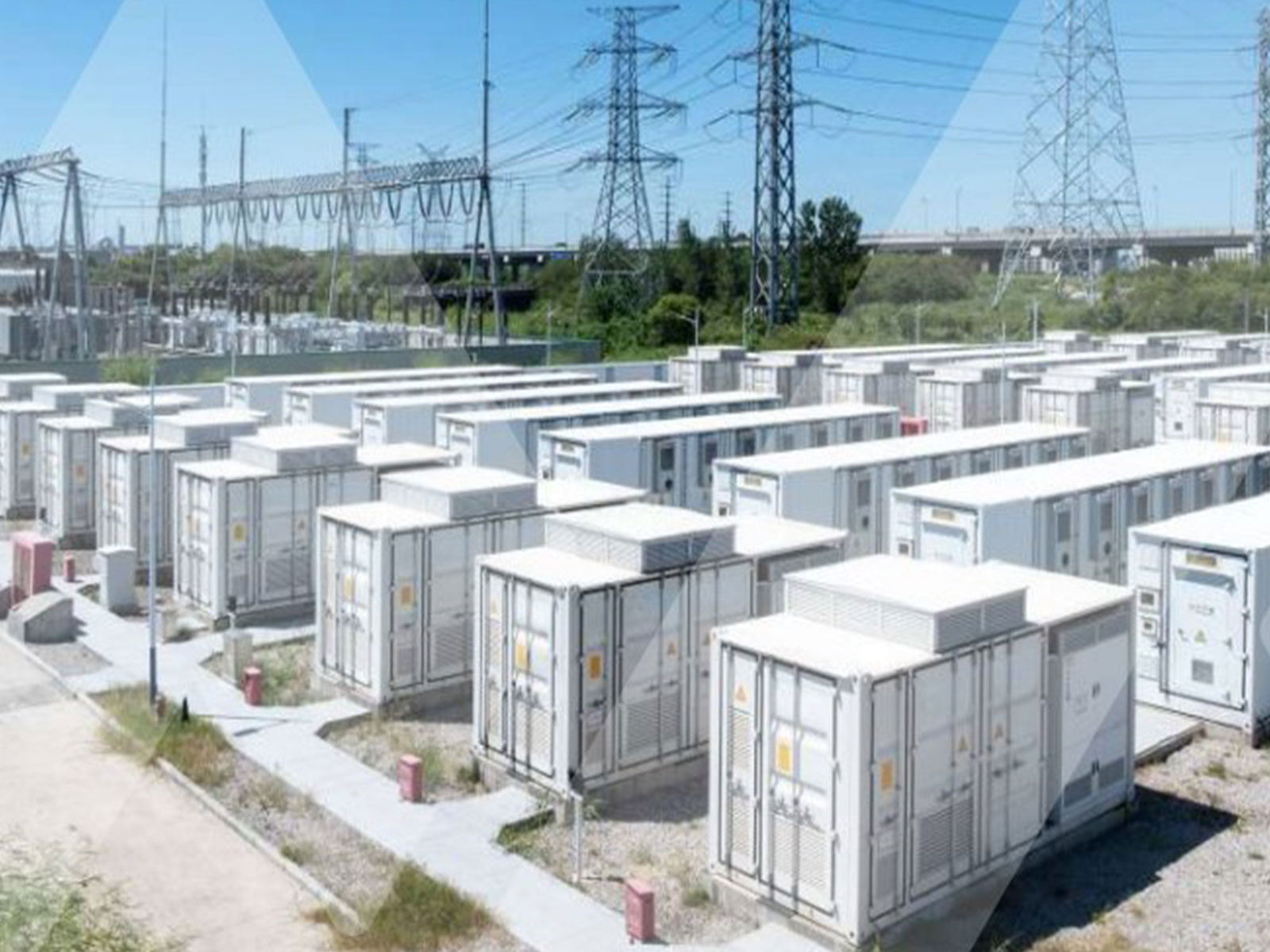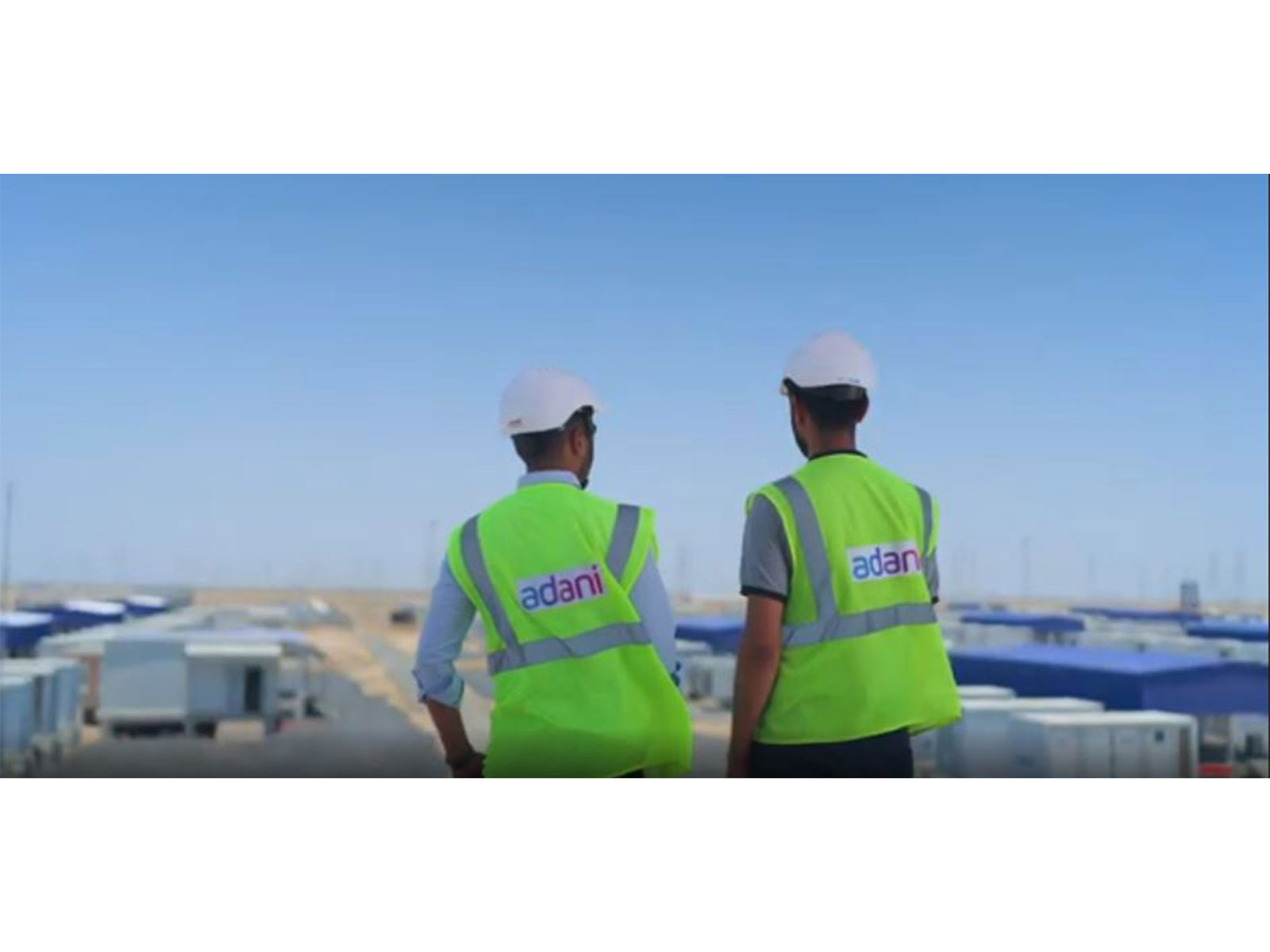
New Delhi [India], September 28 (ANI): India is expected to see a sharp rise in battery energy storage system (BESS) deployment, with 45-50 GWh of capacity likely to be commissioned over the current and next financial years, compared with around 1 GWh installed as of last fiscal year.
According to a Crisil Ratings report, the strong pipeline of projects under implementation and continued government policy support are expected to drive this growth. However, around 8-9 GWh of awarded capacity faces a higher risk of delays, which could limit the pace of deployment.
The report said the capacity includes projects awarded between FY24 and FY26 across nearly 100 renewable energy developers.
The growing need for battery storage is linked to the rising share of renewable energy in India's power sector. Renewable energy accounted for around 39 per cent of the country's installed power capacity and 15 per cent of electricity generation in FY26.
Since renewable power generation is intermittent, battery storage is needed to maintain grid stability and meet peak-hour demand. This is particularly important for solar power, as electricity demand generally peaks in the evening when solar generation falls sharply.
BESS helps address this gap by storing surplus electricity generated during the day and supplying it during periods of peak demand.
The report noted that government auctions involving BESS increased to nearly 40 per cent of total auctioned renewable capacity in FY26, compared with around 5 per cent in FY24 and FY25.
Around 50-55 GWh of BESS capacity is scheduled to be commissioned in FY27 and FY28. Of this, distribution utilities are expected to account for around 40 GWh, while 10-15 GWh is likely to cater to commercial and industrial consumers or operate in the merchant market.
Manish Gupta, Senior Director and Deputy Chief Ratings Officer at Crisil Ratings, said nearly 21 per cent of the under-construction BESS capacity, or around 12 GWh, faces weak return potential and could therefore see delays.
"Nearly 21% of the under-construction BESS capacity, equivalent to about 12 GWh, faces weak return potential which may lead to some delays in commissioning. The risk has emerged because battery prices have hardened in 2026, while tariffs bid out for these projects were relatively low," Gupta said.
He said developers generally procure batteries about a year after winning project bids. As a result, projects awarded in 2025 are now exposed to higher battery prices, which have increased after declining to lower levels in 2025.
"As the battery prices were consistently coming down till 2025, developers appeared to have bid aggressively on the assumption that prices would continue their downward trajectory," Gupta added.
Higher battery costs are making it difficult for some projects to achieve their targeted internal rates of return (IRR) of 12-14 per cent. This could prompt developers to delay project implementation.
Crisil Ratings Director Ankit Hakhu said around 8-9 GWh of the 12 GWh capacity facing weak returns also faces challenges due to limited implementation experience among some project sponsors.
"While BESS projects typically face relatively lower land acquisition and connectivity-related challenges compared to conventional renewable energy projects, equipment procurement remains a key risk given the sector's continued dependence on overseas suppliers for batteries and other critical components," Hakhu said.
He added that developers with limited scale or procurement experience could find it difficult to secure equipment at competitive prices, which may further affect project returns. (ANI)
Battery energy storage system capacity in India set to reach 45-50 GWh over two fiscal years: Crisil Ratings