VMPL
New Delhi [India], October 1: The Indian dream used to have a relatively predictable shape. Study hard. Get a stable job. Buy a home. Build security. Today the picture is far less linear. A young Indian may want to build a company, become a creator, work across countries, return to a family business, launch a social enterprise or invent a career that did not exist when their parents were their age. The definition of ambition is changing.
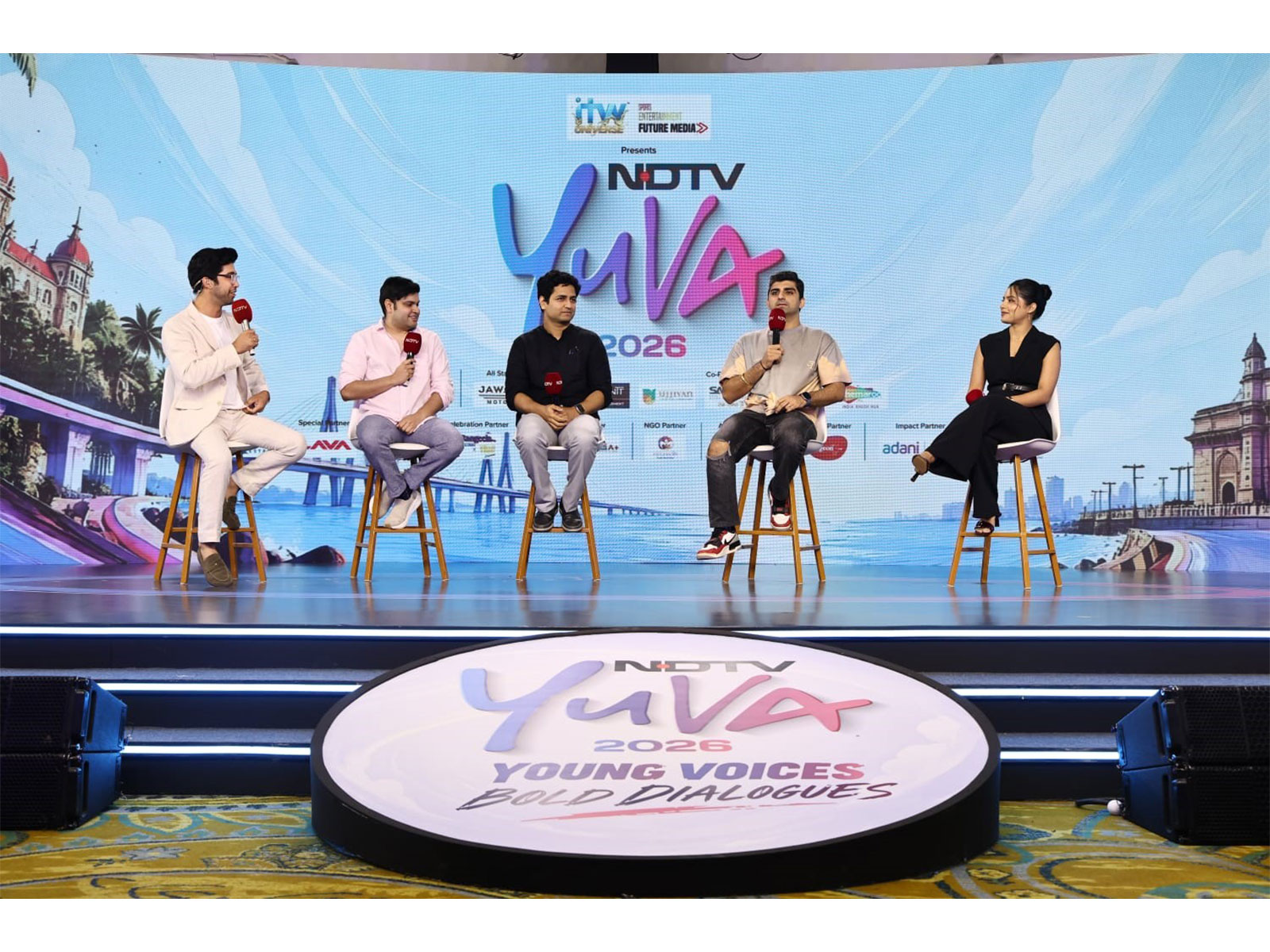
That change was visible at NDTV Yuva 2026 Presented By ITW Universe, where entrepreneurs and business leaders joined a wider conversation about the business of dreams. Starting a company is no longer an obscure professional choice. Building something independently has become part of mainstream aspiration. But the romantic version of entrepreneurship often hides the difficult reality. A business is not built only through ideas. It requires patience, capital, people, decisions, failures and the ability to continue when enthusiasm disappears.
Young entrepreneurs are entering a marketplace where attention itself has become an economic asset. A product can be discovered through a short video. A founder can build a community before building a traditional distribution network. This has lowered some barriers. It has also created new pressures. The constant visibility of successful founders can make entrepreneurship appear faster and easier than it is. Young people can see the launch, but not the years of uncertainty that preceded it.
Success is increasingly measured not only by money. For many young founders, questions around purpose, sustainability, social impact and personal freedom matter alongside revenue. Customers want transparency. Employees want meaning. Investors want resilience. Communities want responsibility. The entrepreneur of the future may be expected to build not merely a company but an ecosystem of trust.
Alongside the ambition to build sits a quieter but equally urgent conversation: what we put into our bodies. A generation that reads ingredient labels is beginning to ask a larger question. Food has traditionally been treated as a matter of taste, affordability and habit. India’s changing urban lifestyle has transformed the discussion. Packaged food is everywhere. Food delivery has become routine. Consumers are expected to make increasingly complicated choices, often with limited information.
At NDTV Yuva 2026, conversations around food labels and public health brought an everyday issue into the larger youth dialogue. Food is not an abstract policy question. It is personal. Convenience versus nutrition. Affordability versus quality. The conversation is not about telling people what to eat. It is about asking whether they have enough accessible information to make their own decisions. Young India is also increasingly aware that health is not something to be considered only after illness appears. Sleep, nutrition, movement and mental wellbeing are becoming part of everyday conversations. That cultural change matters.
There is a temptation to treat only serious conversations as the ones that matter. Politics is serious. Technology is serious. Careers are serious. But young people have always known something adults occasionally forget: sometimes the best way to survive serious times is to laugh. Comedy has become one of India’s most powerful forms of cultural conversation. It can challenge social habits, expose contradictions and make difficult subjects accessible without pretending they are simple.
That is why the presence of comedians and creators at NDTV Yuva 2026 was more than entertainment. It reflected the changing way young India processes information. A serious issue can become a meme. A comedian can become a commentator. Digital culture has blurred the boundary between performer and audience. The audience talks back. For young Indians, humour can also be a language of resilience. It allows people to discuss awkwardness, failure, relationships and social expectations without always turning the conversation into a lecture. A healthy society needs people who can question its institutions. It also needs people who can make it laugh at itself.
The new Indian dream is being written in many forms—through ambition that refuses to follow a single script, through a demand for clearer information about what we consume, and through a culture that still knows how to laugh. Increasingly, young Indians want to write that dream themselves.
(ADVERTORIAL DISCLAIMER: The above press release has been provided by VMPL. ANI will not be responsible in any way for the content of the same)
NDTV Yuva 2026 Presented By ITW Universe