Washington, DC [US], August 20 (ANI): Following the scale of destruction inflicted on American installations during the conflict with Iran, the Pentagon is evaluating options to scale down the United States' long-standing military presence across the Persian Gulf, according to a report by The Washington Post.
The extensive damage has compelled Washington to re-evaluate its decades-old regional security posture.
The deliberations remain in an initial phase and do not constitute a formal review mandated by US Secretary of War Pete Hegseth. Rather, the Pentagon's policy wing, alongside the Joint Staff and US Central Command, is examining potential configurations for America's military footprint once hostilities cease, including whether severely compromised bases ought to be reconstructed in their existing formats.
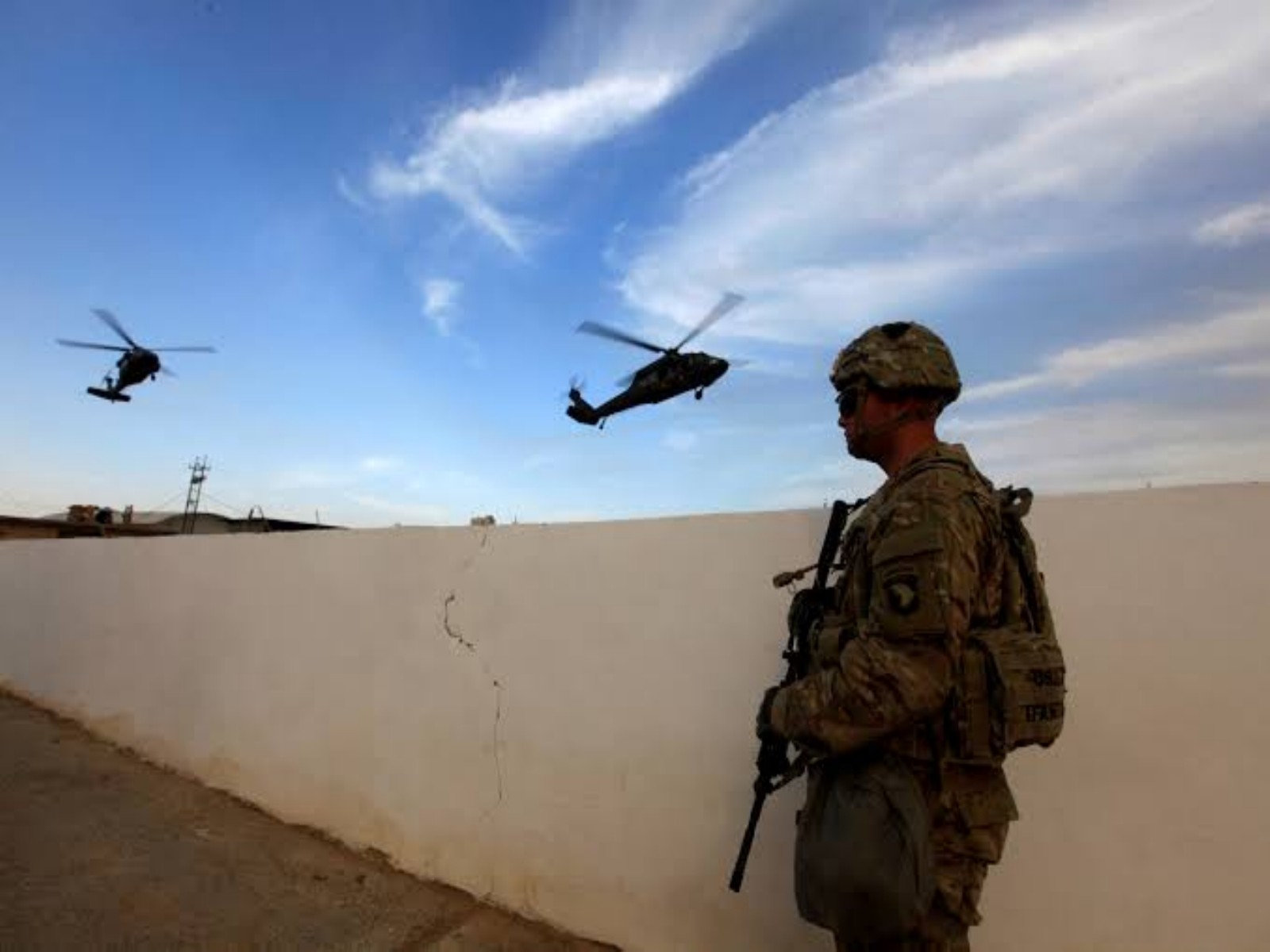
Typically, the US deploys approximately 40,000 personnel across nearly 20 installations extending from Jordan to Oman, with several of its primary permanent complexes situated within the Persian Gulf.
Bahrain hosts the US Fifth Fleet headquarters, while major American Army and Air Force assets are stationed across Kuwait, Qatar, and neighbouring Gulf nations.
However, the war exposed the acute vulnerability of these facilities to incoming Iranian missile and drone strikes. Over 200 US installations have suffered damage or destruction throughout the fighting, The Washington Post reported, with six American service members killed during a March attack on a military site in Kuwait.
Additionally, the Pentagon has expended over 1,000 advanced air-defence interceptors to safeguard its troops, creating severe strains on stockpiles of Patriot and Terminal High Altitude Area Defense systems.
The extent of the devastation has presented what officials view as an occasion to reconsider the deployment and positioning of US assets. A portion of the internal Pentagon talks has centred on repositioning personnel and hardware further westward, potentially towards Jordan, Israel, or Saudi Arabia's Red Sea coast, to minimise exposure to Iranian strikes originating from across the Gulf.
A source familiar with the US deployment adjustments told The Washington Post that certain shifts away from major Gulf facilities might persist beyond the conclusion of the war. "Iran thinks we are in the traditional places," the person said. "And we are not."
The ongoing debate underscores a deeper ideological split within the Trump administration regarding overseas military engagements. While one faction of officials advocates curbing Middle Eastern security guarantees to prioritise homeland defence and deter China, more hawkish figures are campaigning to expand the US footprint elsewhere in the region, including Israel.
One specific plan outlines the closure of facilities located well within the reach of Iranian missiles and drones, such as bases in Kuwait, while transferring forces from the UAE, Jordan, and Bahrain to safer zones. A separate recommendation envisions relocating additional US military capabilities to Israel's Ovda Airbase.
However, that proposal has encountered internal pushback within the administration over fears that an expanded American presence in Israel could expose US forces to counterintelligence risks, particularly given heightened Pentagon concerns regarding Israeli espionage.
For Washington's Gulf partners, a substantial American drawdown would carry far-reaching ramifications. These nations have depended on US forces for regional stability over several decades, and replacing American security guarantees through domestic defence upgrades or alternative global alliances would require years to realise.
Even so, a reduction in troop strength would not automatically end the broader strategic partnership. Gulf nations could maintain ties with Washington through arms purchases, intelligence sharing, and secondary defence agreements, even with a diminished US troop presence on the ground.
The Pentagon projects that the Iran war will tally approximately USD 37.5 billion by late September, a figure that excludes the immense financial requirements needed to rebuild destroyed infrastructure. With reconstruction plans pending, the conflict presents Washington with a fundamental choice extending beyond repair costs: deciding whether many of these facilities should be restored at all.
Any definitive shift in America's Middle Eastern military footprint remains tentative and would necessitate formal authorisation from senior administration leadership. Nevertheless, the Pentagon's internal assessments indicate the conflict has created a clear opening for Washington to overhaul a cornerstone of its strategic military framework in the region. (ANI)
Pentagon weighs reducing Gulf troop presence as Iran war cost hits USD 37.5 bn: Report